Insulation
-
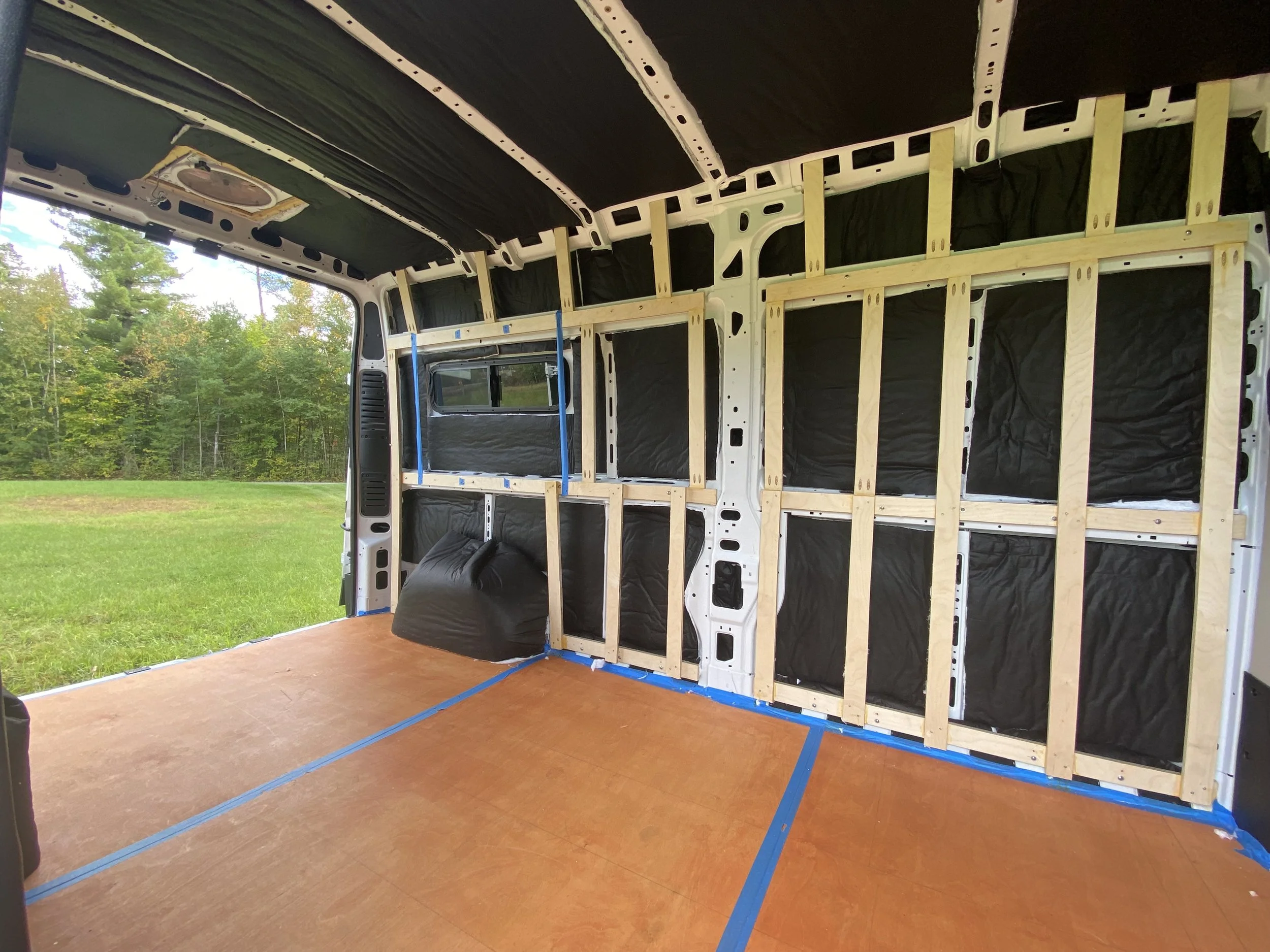
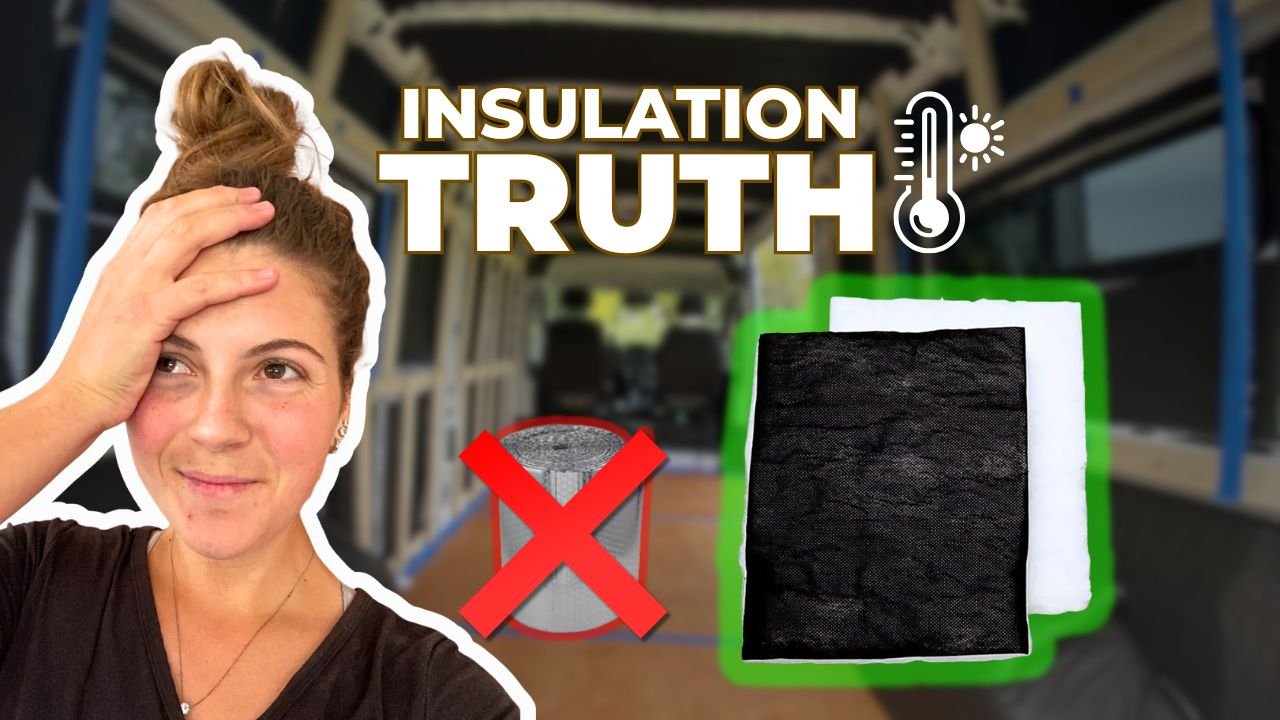
3M Thinsulate SM600L insulation
I used 60" x 50'
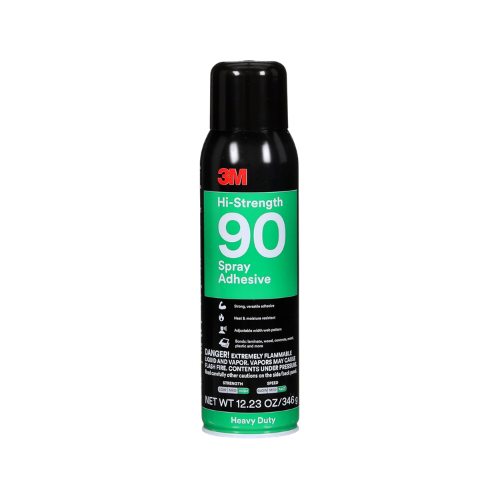
Installed using 3M 90 spray adhesive
I used four cans of adhesive (14.6 oz each)
-
R-value of 5
Provides acoustic sound dampening
Non-toxic and safe to handle
Hydrophobic material that resists mold and moisture
Lightweight
Easy to cut and install
-
Spray adhesive on both the van surface and insulation
Let the adhesive sit for a few minutes on both the van and insulation until it becomes tacky before pressing it into place
The material can be cut with scissors, though it may dull them during the install
Remember to add insulation inside the van ribs and behind door panels
Aim for full coverage to help reduce thermal bridging
-
Wear a mask and safety glasses when spraying adhesive to protect from fumes
Do not compress the insulation, as it reduces its R-value and effectiveness
The effectiveness of van insulation depends on several factors, including, the number of windows and openings cut into the van body, whether the cab is separated from the living space, gaps or thermal bridges where metal remains exposed, air leaks around doors, windows, and roof components to name a few
-
Spray Foam
High R-value insulation that expands to fill cavities
Can be messy and more expensive
Blocks factory drain holes and can make it more challenging to run wires effectively unless done beforehand and covered
Havelock Wool
Natural wool insulation with good thermal performance
Requires a larger quantity of material to achieve similar R-values
In some cases may attract insects
Rigid Foam Boards
Good R-value
More difficult to install on curved van walls and ceilings
Often used in combination with spray foam or other insulation methods
Reflectix (Radiant Barrier)
Often marketed for van insulation but primarily reflects radiant heat rather than providing strong insulation
Works best when installed with an air gap
Commonly used for window covers rather than full van insulation
Don’t use for van insulation purposes, only window covers
-
My van isn’t well insulated, largely because of all the windows and no wall to separate the cab and cargo space. If I built another van, I would still choose 3M Thinsulate, but I would install two layers and use larger sections instead of a single piece for each panel section.
Overall, Thinsulate provides the best balance of insulation performance, ease of installation, weight, and moisture resistance for van builds.
Related Resources
Watch the Tutorial
Shop Product Links


As an Amazon Associate, Lauren will receive a small commission from any qualifying purchases made through these links, at no additional cost to you.Thank you for your support!← Framing
Ready to build with confidence?
Follow step-by-step installation guides that break down the most complex parts of the build into clear, manageable steps.
Need help planning your build?
Book a 1:1 Consultation