Toilet
-
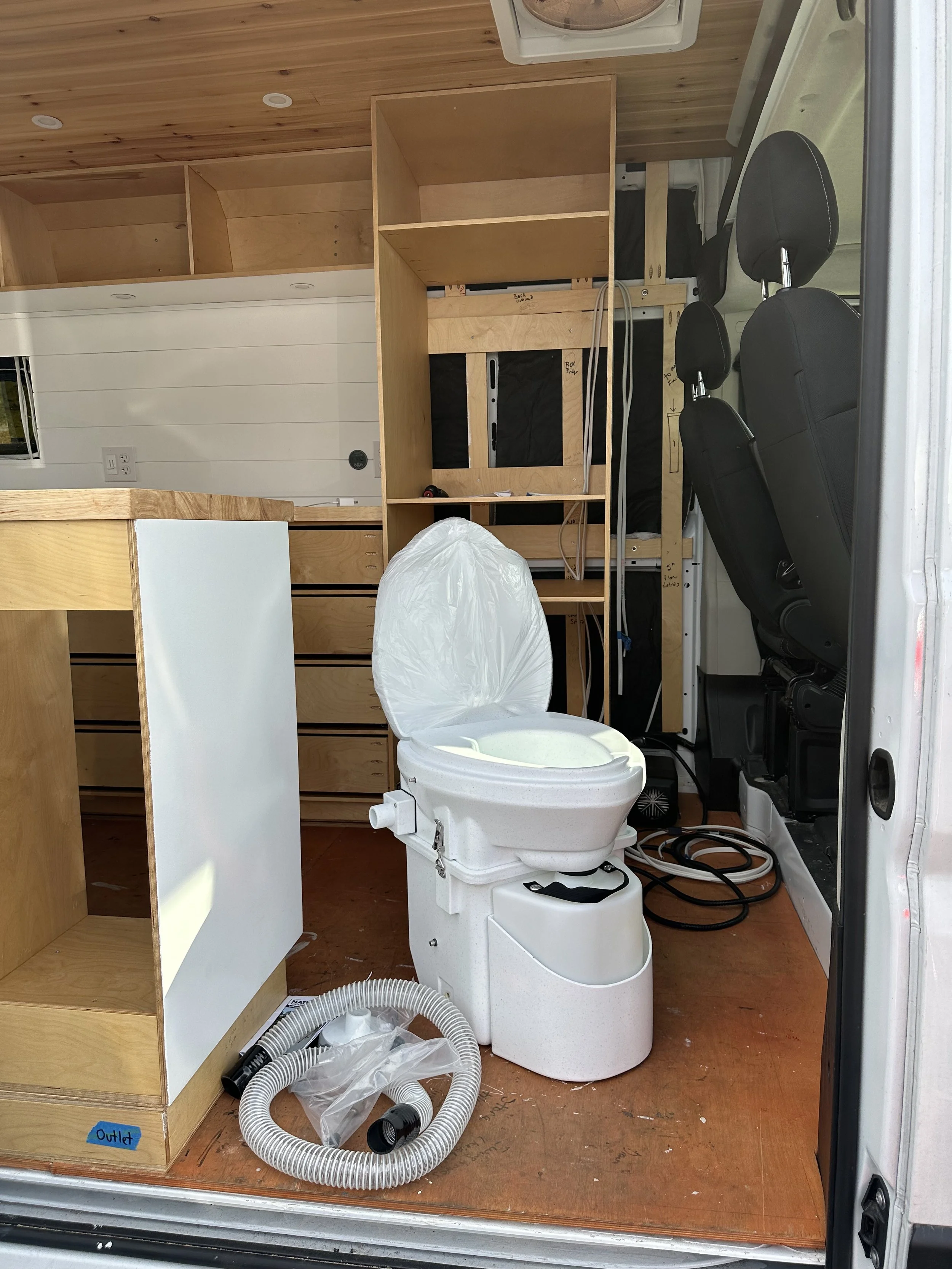
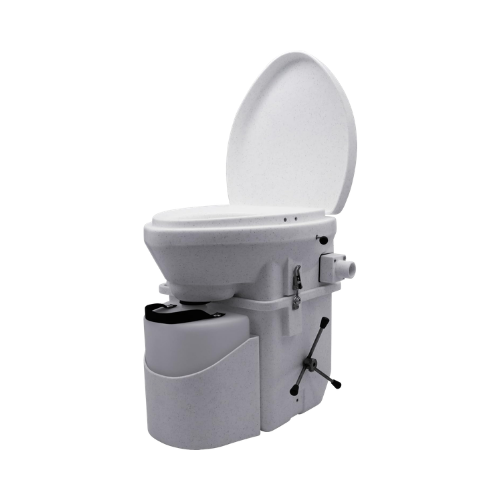
12 volt Nature’s Head Composting Toilet
Urine-diverting design that separates liquids and solids
-
Having a toilet in the van is a really nice convenience when living on the road, so you don’t have to rely on finding public restrooms every time you need to go
-
The toilet sits on a pull-out drawer using 500 lb drawer slides
L-brackets secure the toilet so it stays in place while driving
The toilet includes a 12V vent fan to help reduce odors, and it draws pratically no power
The vent can be routed through the wall or floor
Venting isn’t required, but it is recommended for odor assistance
-
Make sure there is enough clearance to open the lid and remove both the top and bottom sections for cleaning
This is a diverting toilet, meaning liquids go into one container and solids into another, which helps reduce odor
The urine jug is typically the smelliest part to empty
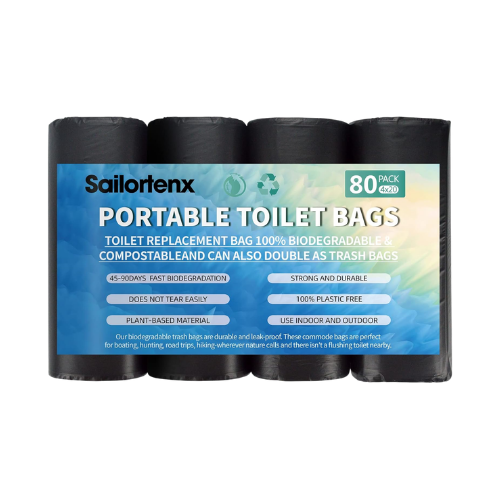
I used to add coconut coir to the solids bin, but got tired of replacing it, so I now use toilet bags for solids, which require no maintenance
I recommend choosing a toilet with a larger urine jug so it doesn’t need to be emptied as often
It’s helpful to have a backup option on hand, like a portable urinal, in case the toilet is full
-
Public Restrooms
No install required
Works well if you stay in campgrounds, gyms, truck stops, or cities frequently
Can be inconvenient when boondocking or parked somewhere without nearby facilities
Homemade Toilet
Often made using a bucket with toilet bags
Very simple and inexpensive setup
Requires frequent bag changes and may offer less odor control
Cassette / Dry Flush Toilets
Brands like Laveo and Dometic
Compact and easy to use
Dry flush models require replacement cartridges/bags, which can become costly over time
Diverting Toilets
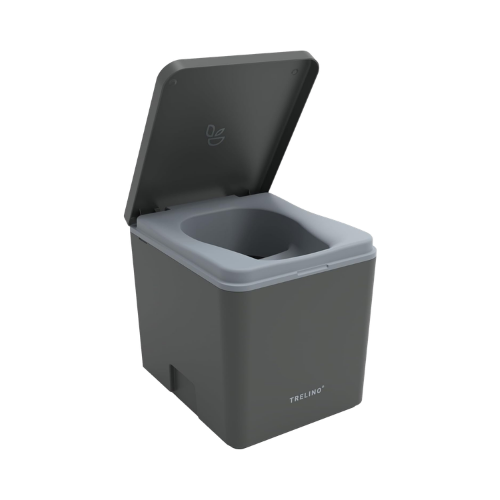
Brands like Nature’s Head and Trelino
Separate liquids and solids to help reduce odor
Require emptying the urine jug regularly and occasional solids maintenance
-
I highly recommend a diverting toilet, and using toilet bags for the solids container to keep maintenance simple. Nature’s Head toilets are extremely expensive, and since I bought mine several newer options have entered the market. One alternative I’d recommend is Trelino. It’s still pricey, but more affordable than Nature’s Head, comes in different sizes, takes up less space, and has a larger front section that helps funnel urine more effectively. If I were choosing today, I’d go with Trelino.
Fridge
-
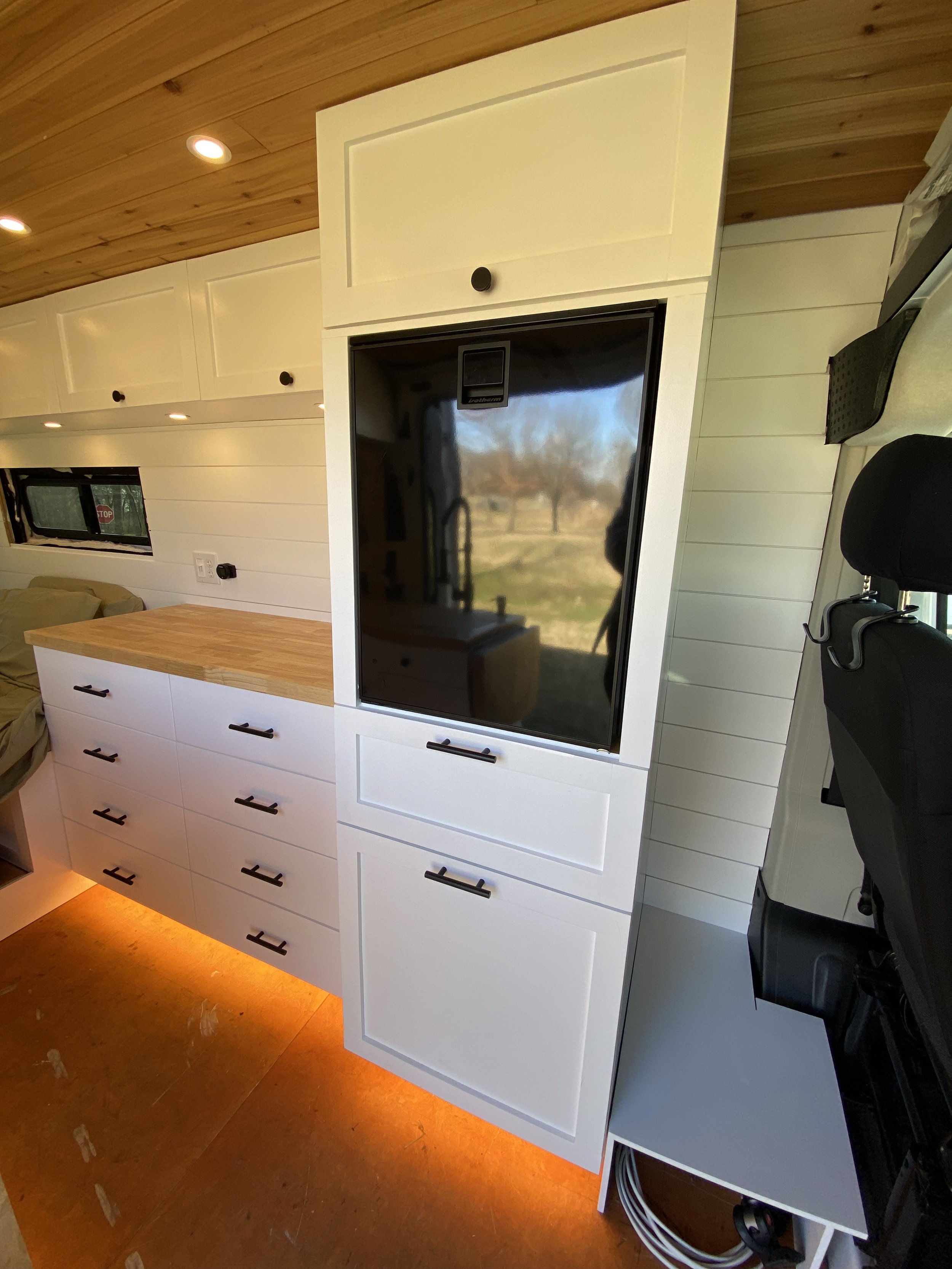
Isotherm Cruise 85 Elegance Refrigerator
12-volt compressor refrigerator
3 cubic feet (85L) capacity
Black finish
Includes a small freezer compartment and interior light
-
Allows me to store fresh food and cook meals in the van
Reduces the need to constantly buy food or rely on restaurants
Helps extend the life of groceries while traveling
-
Leave an appropriate gap around the fridge for ventilation so the compressor can cool properly
Secure the fridge by screwing it in place through the designated mounting points inside the unit
Plan for door swing clearance — the door needs to open fully to adjust the interior shelves
Can be installed flush with cabinetry or slightly proud, depending on your cabinet layout and design preference
-
I elevated my fridge so I don’t have to bend down to load and unload groceries, and it also makes it easier to see what’s inside
If you have a 12V, 24V, or 48V battery system, choose a fridge designed to run on that voltage for better efficiency and lower power consumption
Avoid 120V household refrigerators, which require the inverter to run constantly and draw significantly more power
The freezer in this unit is fairly small, but there are other models available with larger freezer compartments
-
Chest-Style Fridge
Takes up more lower cabinet or floor space
Can be harder to organize and see everything inside since items stack vertically
Not as easy to elevate and integrate into cabinetry like an upright fridge
Common Fridge Brands for Nomadic Builds
Isotherm — marine-grade upright fridges commonly used in vans and boats
Dometic — well-known brand with both upright and chest-style 12V fridges
TruckFridge — popular upright fridge option designed for van and truck installs
ICECO — known for durable and efficient portable chest-style fridges used in camper vans
-
This fridge is plenty large for me, and having it elevated is a game changer. It makes loading groceries easier and gives much better visibility to what’s inside — everyone who comes into my van notices and loves that feature. If you can, elevate your fridge. Trust me. I make the small freezer work, but a larger one would be nice. Ultimately, it depends on the type of food you typically buy and plan to keep on hand.
Toaster Oven
-
KitchenAid 9-in-1 Toaster Oven (Model KCO124)
120-volt countertop oven
Functions include bake, broil, air fry, toast, reheat, dehydrate, keep warm, and more
Compact countertop design that fits a 9" × 13" baking pan
Uses convection heating for more even cooking
Exterior size approx. 17" W × 16" D × 11.3" H
-
Allows me to bake, toast, and cook a wider variety of meals in the van
Functions as a small oven without needing a full-size appliance
Great for quick meals, reheating food, and air frying
-
Installed a 120V outlet behind the toaster oven so it stays plugged in; the outlet is controlled by a switch on the kitchen control panel
Added a wood frame around the front that’s held in place with ball catch latches on both sides for easy removal
Installed two wood strips in front of and behind the toaster oven feet to keep the unit from sliding while driving
Leave adequate space around the toaster oven for ventilation to prevent overheating
-
The toaster oven gets very hot when in use, so make sure there is adequate ventilation around the entire unit
-
Propane RV Oven & Stovetop
Common setup in many RVs and camper vans
Runs on propane for cooking, often with 12V ignition
Larger built-in unit that typically includes multiple burners and an oven
Requires propane tanks, gas lines, and ventilation
Takes up significant countertop and cabinet space compared to smaller appliances
I personally chose not to install one due to safety concerns with propane inside the van and I wasn’t willing to give up that storage space
Cheaper Toaster Ovens
Lower-cost models are widely available
Usually offer fewer cooking functions and simpler controls
Can still work well for basic baking, reheating, and toasting
-
I never use the toaster oven and will likely replace it with a drawer in the future when I need more storage space. However, if you enjoy baking or cooking with an oven, this could be a great addition to your van kitchen.

Cooktop
-
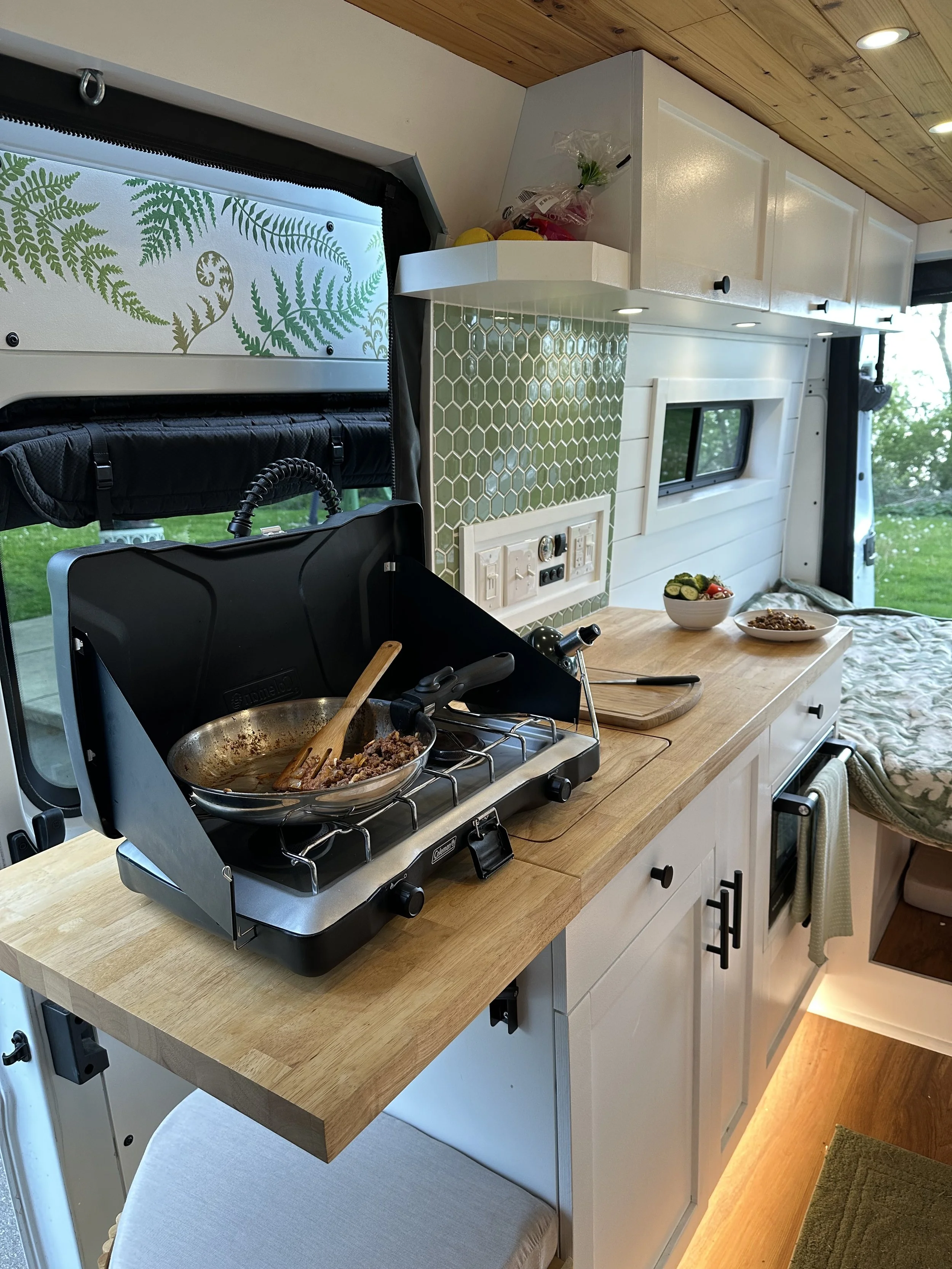
Coleman Triton 2-Burner Propane Stove
Portable propane cooktop with two burners
Wind guards help protect the flame when cooking outdoors
-
Portable — can be used inside or outside the van
Two burners allow me to cook multiple items at the same time
Easy to store on the van’s overhead shelf when not in use
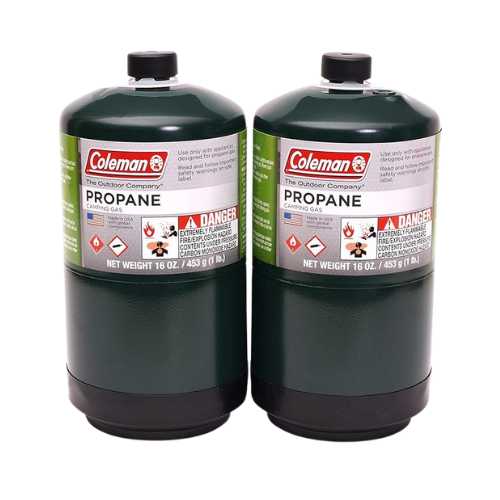
Runs on a 16 oz propane canister, so no permanent propane system is required
-
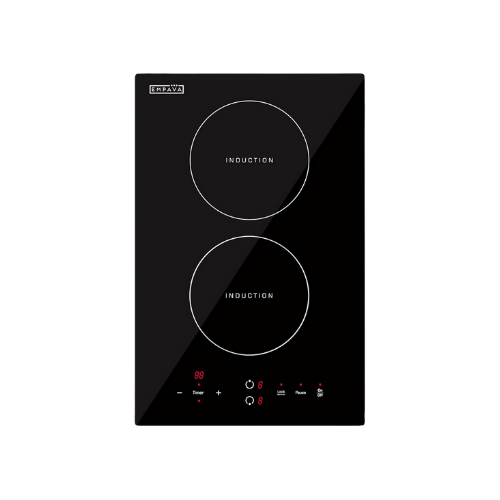
Induction Cooktops
Uses 120V power, which can draw a significant amount of electricity
Requires induction-compatible cookware
Often installed directly into the countertop, which takes up usable workspace and can be more susceptible to damage
Some people install them inside a drawer, but when open it can interfere with the flow of moving around the van depending on your layout
Propane Oven & Stovetop
Larger built-in unit that takes up significant countertop and cabinet space
Requires a larger propane tank and gas system
I chose not to install one due to space constraints and safety concerns with storing larger propane tanks inside the van
-
I’m still very happy with my decision to use a portable two-burner propane cooktop. It’s simple, flexible, and doesn’t require a permanent install or a large propane system. I like that I can cook inside the van or outside, and when I’m done it stores away easily so it doesn’t take up valuable counter space. For my setup, it’s a practical and space-efficient solution that works really well.



As an Amazon Associate, Lauren will receive a small commission from any qualifying purchases made through these links, at no additional cost to you.Thank you for your support!Ready to build with confidence?
Follow step-by-step installation guides that break down the most complex parts of the build into clear, manageable steps.
Need help planning your build?
Book a 1:1 Consultation